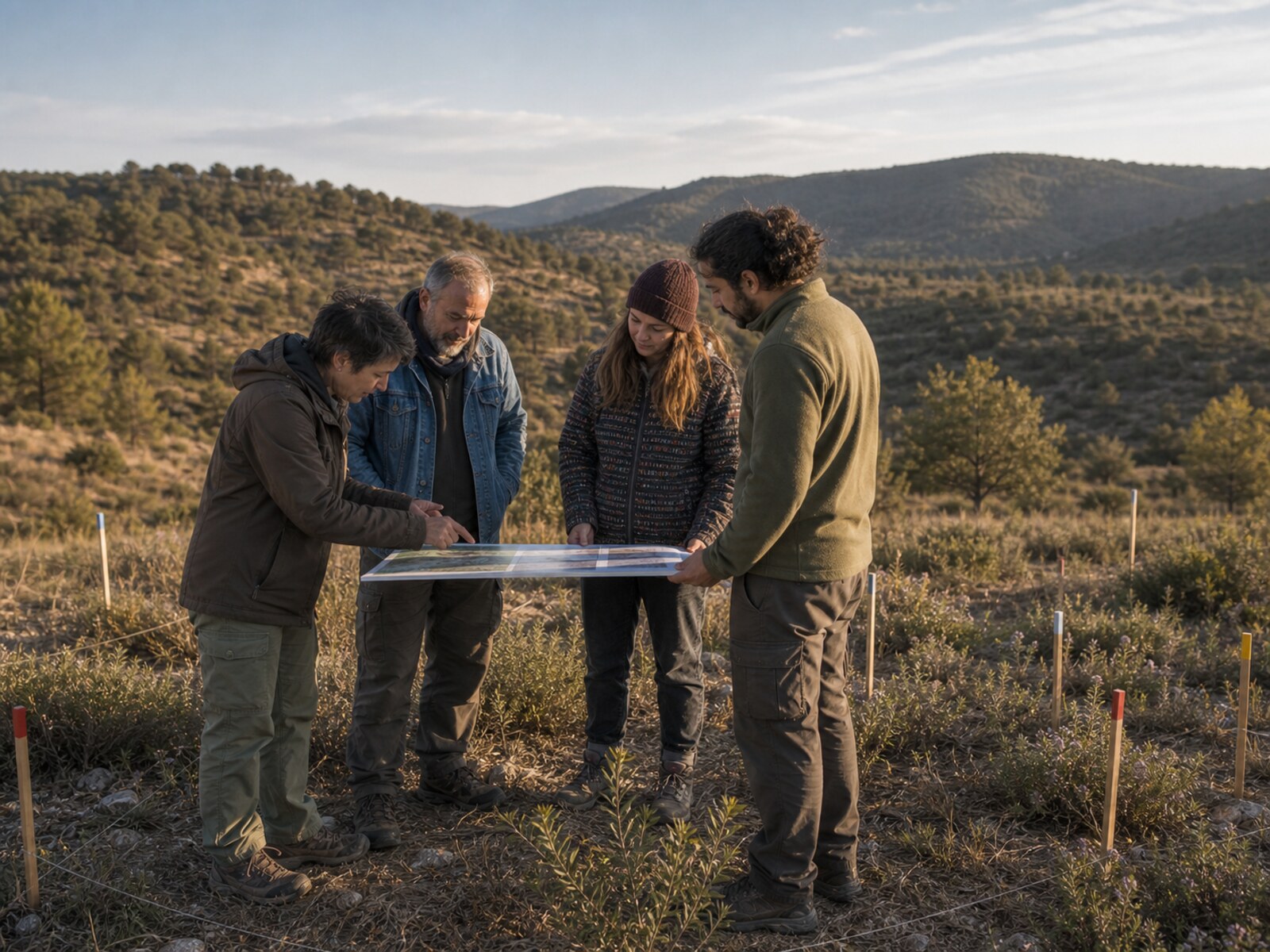
Are you measuring nature, or understanding it?
Kerno Lumo helps verify in the field whether practices and interventions are really working, turning ecological knowledge, field observations and useful data into clearer decisions and defensible evidence.
What we do
We work where a practice, intervention or management decision affects a living system, and there is a need to understand, measure or validate its real response in the field.
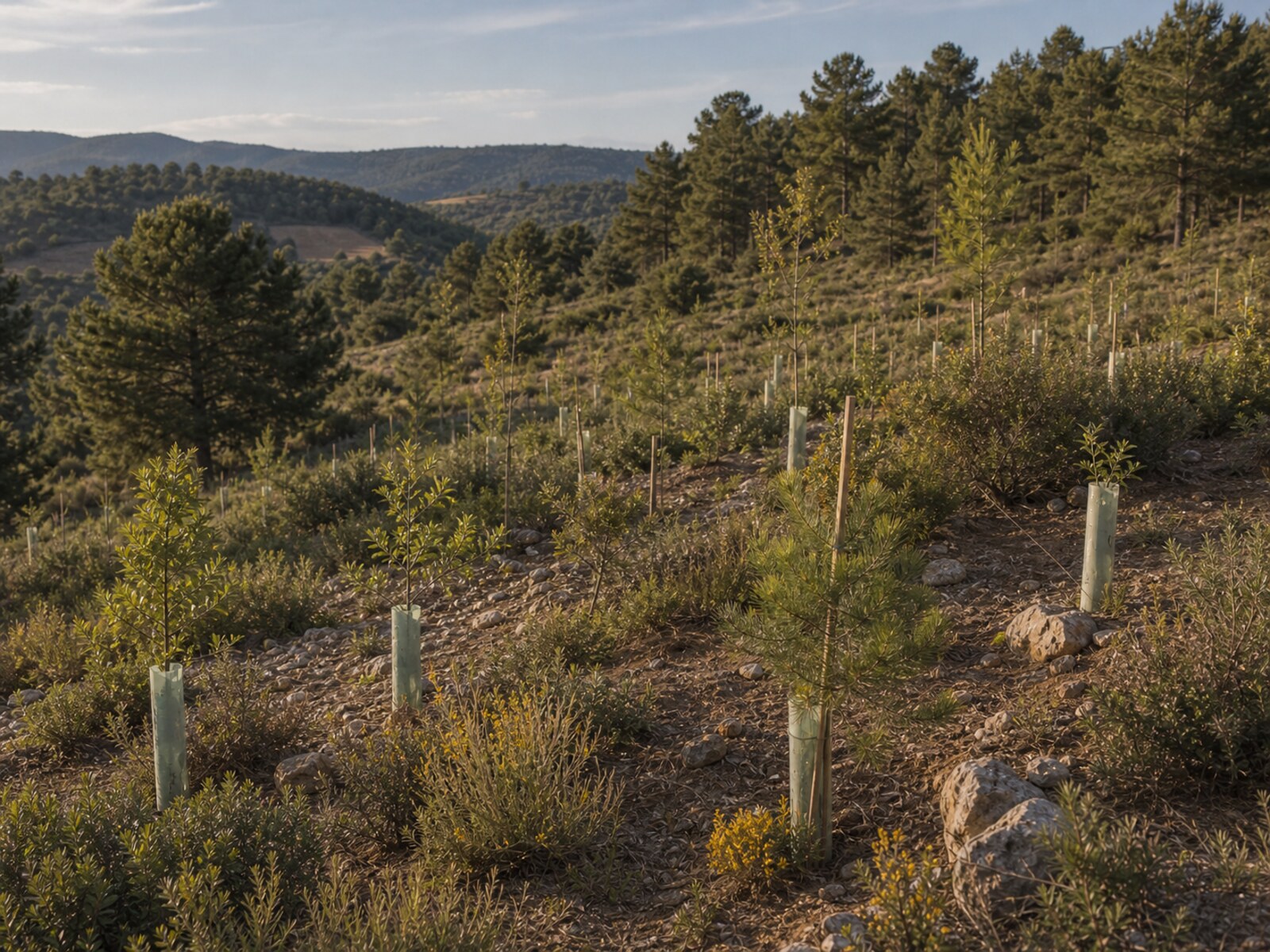
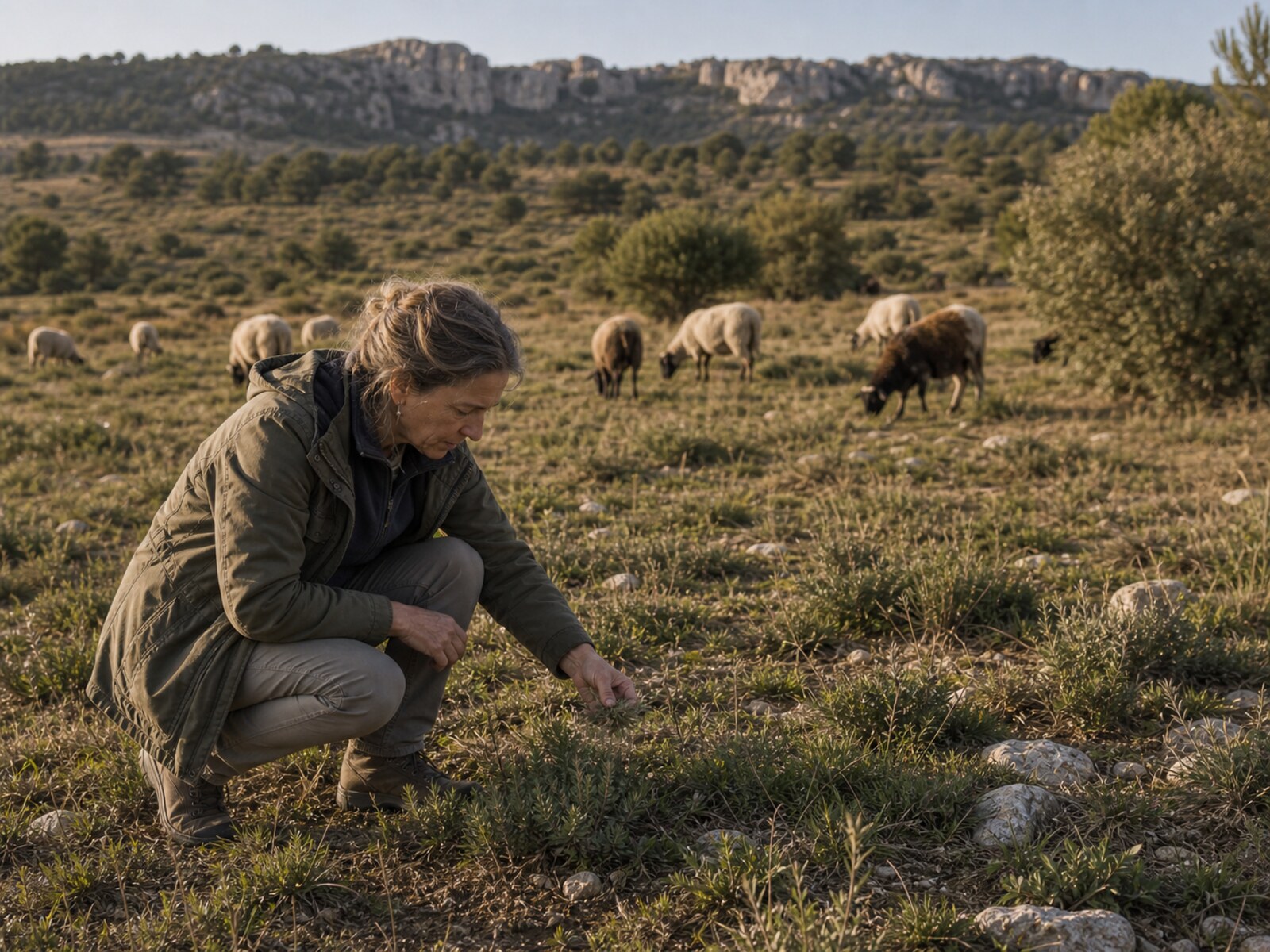
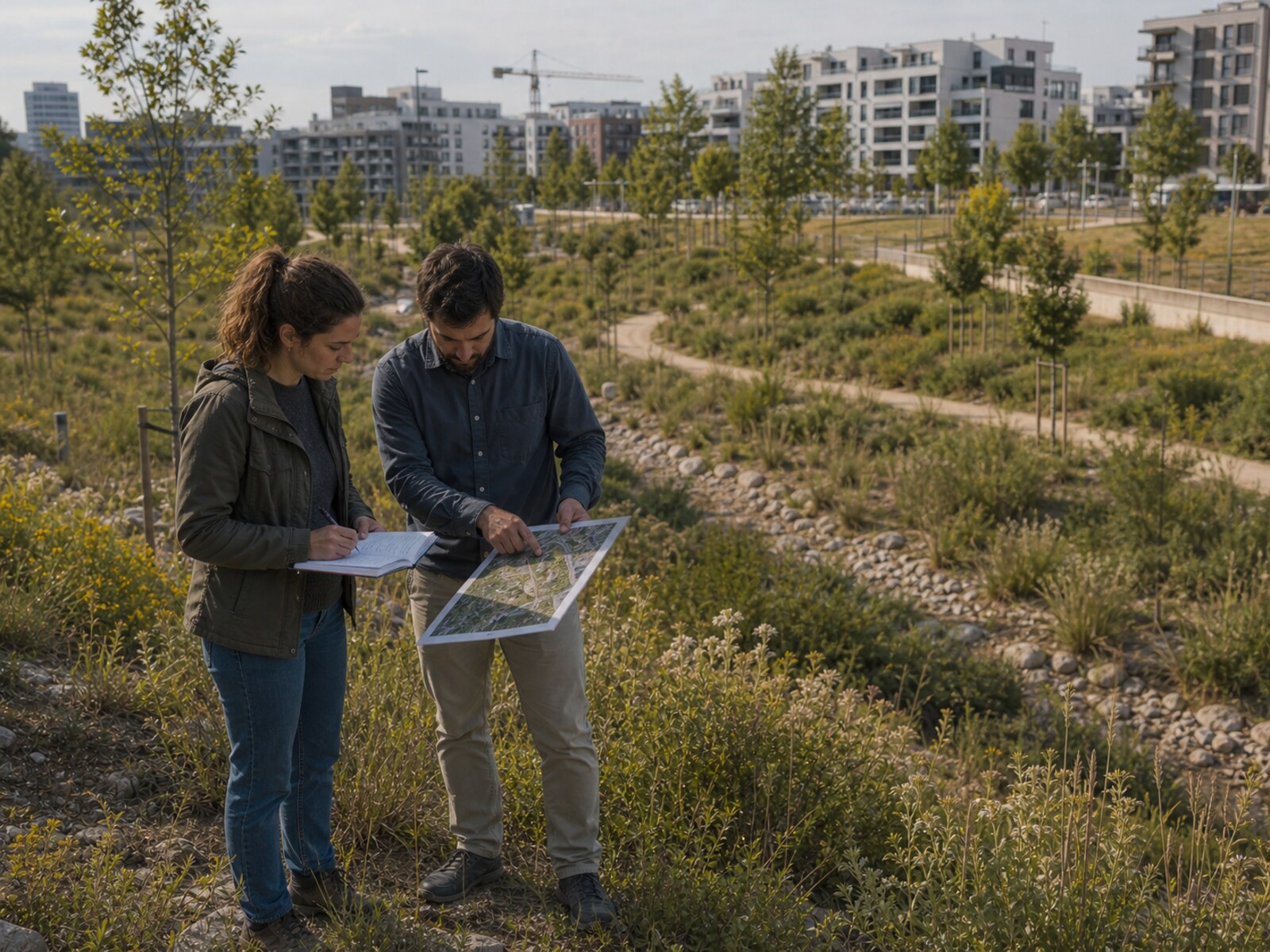
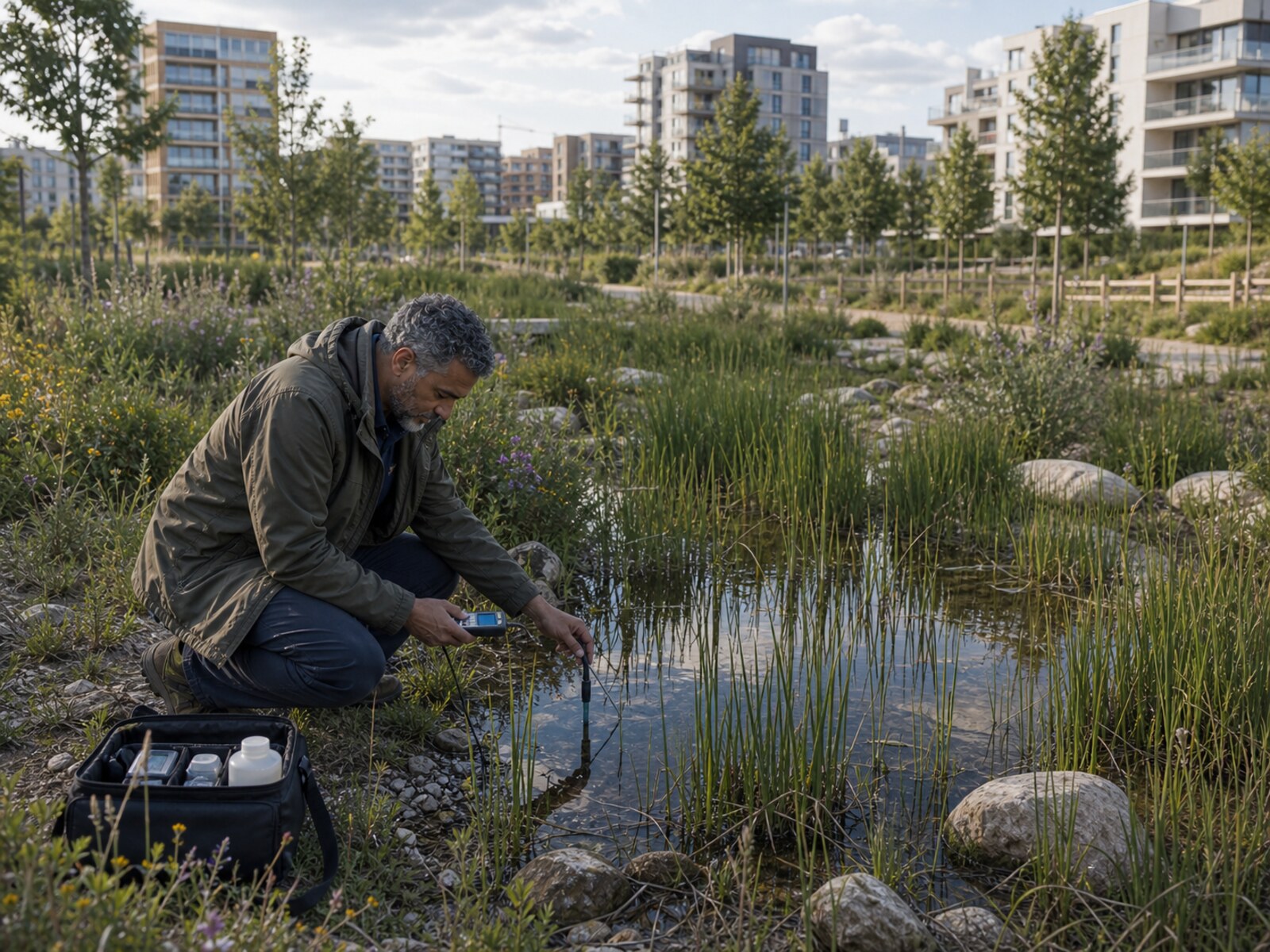
For example, we help forest projects understand how vegetation and biodiversity respond after restoration works; livestock farms assess how grazing affects pasture recovery and insect pressure; and green infrastructure projects verify whether they create real ecological value.
This can apply to regenerative agriculture, forestry, ecological restoration, extensive livestock, pollination and apiculture, green infrastructure, and territorial management.
-
Land, forest & restoration monitoring
Monitoring how soils, vegetation, biodiversity and management practices respond in farms, forests, restoration sites, extensive livestock systems and green infrastructure projects.
-
Field diagnosis & ecological interpretation
Clarifying what is happening on the ground before deciding what to test, monitor or change.
-
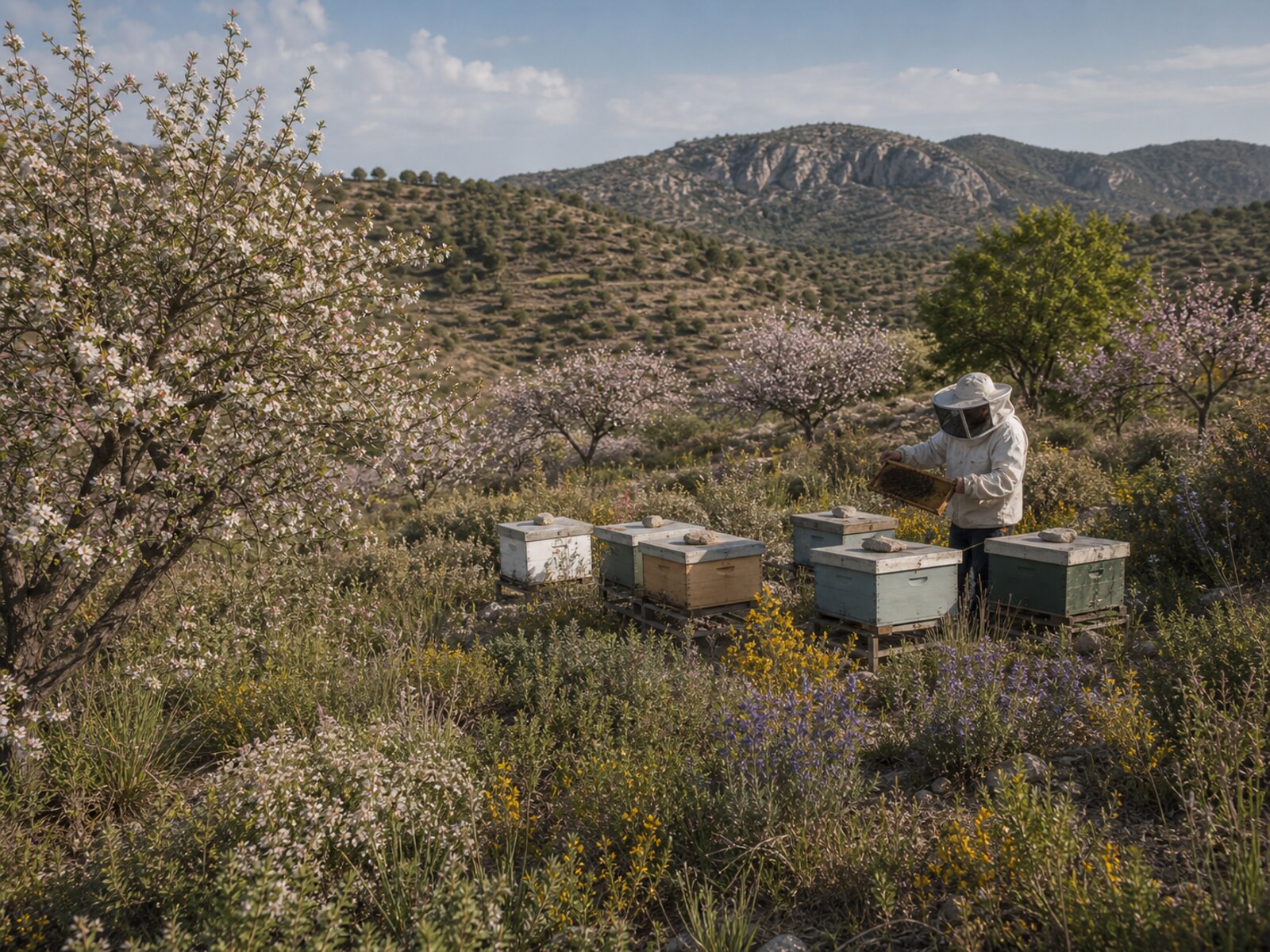
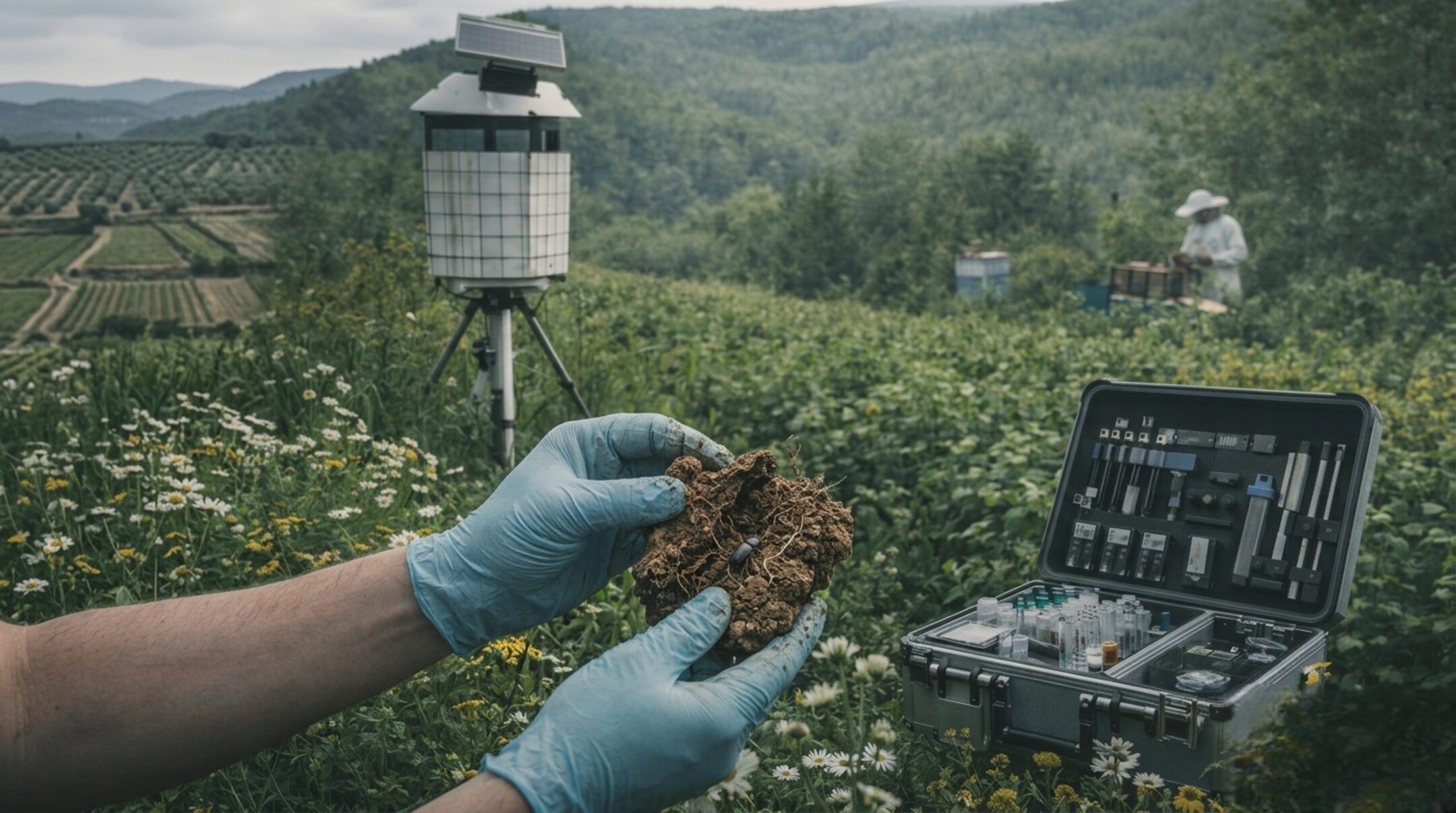
Pollination landscapes, apiculture & insect indicators
Reading floral resources, apiary location, landscape carrying capacity, wild pollinator balance and insect signals to support natural or regenerative apiculture and functional biodiversity.
-
Useful measurement & data translation
Combining field observations and the right data sources to produce clear indicators and solid evidence.
-
Field validation of ecological monitoring tools
Validating sensors, remote sensing, computer vision, GIS, drones and other monitoring tools under real field conditions, so they answer meaningful ecological and management questions rather than producing data without purpose.
-
Pilot design, living labs & collaborative projects
Structuring pilots and shared field tests so practical decisions can be compared and validated.
How we work
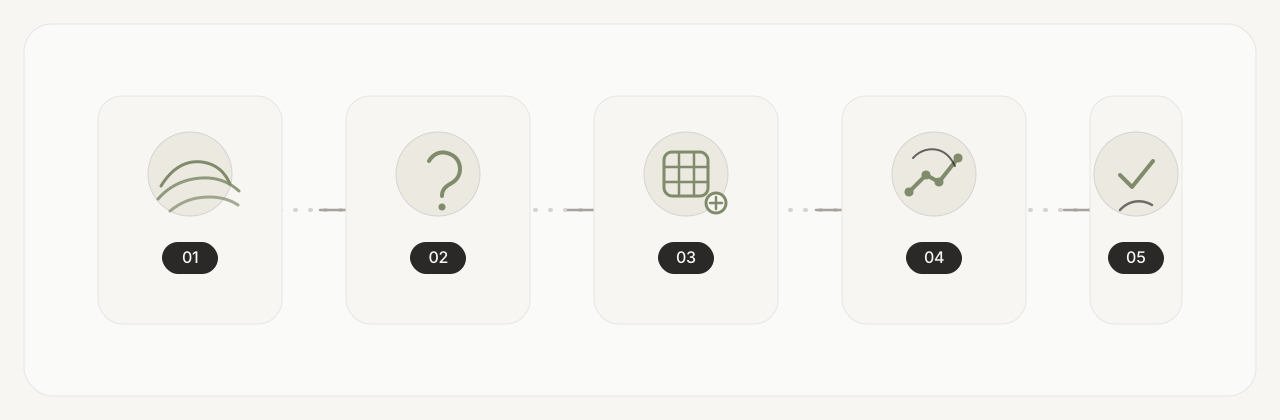
Understanding real context
We begin with the ecological, operational and human realities of the site, including the knowledge already held locally.
Framing useful questions
Moving beyond generic metrics to identify what actually needs to be measured and understood.
Designing pilots and validation frameworks
Structuring field tests, indicators or living labs with scientific rigor and practical constraints in mind.
Measuring & validating
Deploying field-ready methods to collect reliable observations and measurements without overcomplicating the process.
Translating findings
Turning observations, indicators and field knowledge into practical decisions for long-term implementation.
Where we fit
- Regenerative agriculture and extensive livestock projects seeking field-based ecological validation.
- Forestry and ecological restoration projects that need to understand vegetation, biodiversity or management response.
- Pollination and apiculture initiatives that rely on landscape reading and insect indicators.
- Green infrastructure and territorial management projects seeking measurable ecological value.
- Collaborative R&D and living labs that need to compare knowledge, structure evidence and support better decisions.
Why Kerno Lumo
Purposeful Technology
Technology is a means, not our identity. We use sensors, GIS, remote observation or computer vision only when they help answer a concrete field question.
Real field impact
We look at whether a practice or intervention is truly working, with responses that can be measured and trusted.
Knowledge made useful
We do not replace local knowledge. We help structure it, compare it and turn it into useful evidence.
Field Reality
Our work stays anchored in real field conditions, where timing, management and ecological variation all matter.
Let’s talk about your project.
We do not promise miracles. We trace practical routes, measure what matters and help teams keep using what they learn.

Commitment beyond the project
Our work aims to leave more than technical results. We want each project to strengthen people, territory, culture, local knowledge and the living places where it takes root. Kerno Lumo is committed to inclusive ways of working, with particular respect for neurodivergent people and for the different forms of attention, perception and intelligence that help us understand living systems.